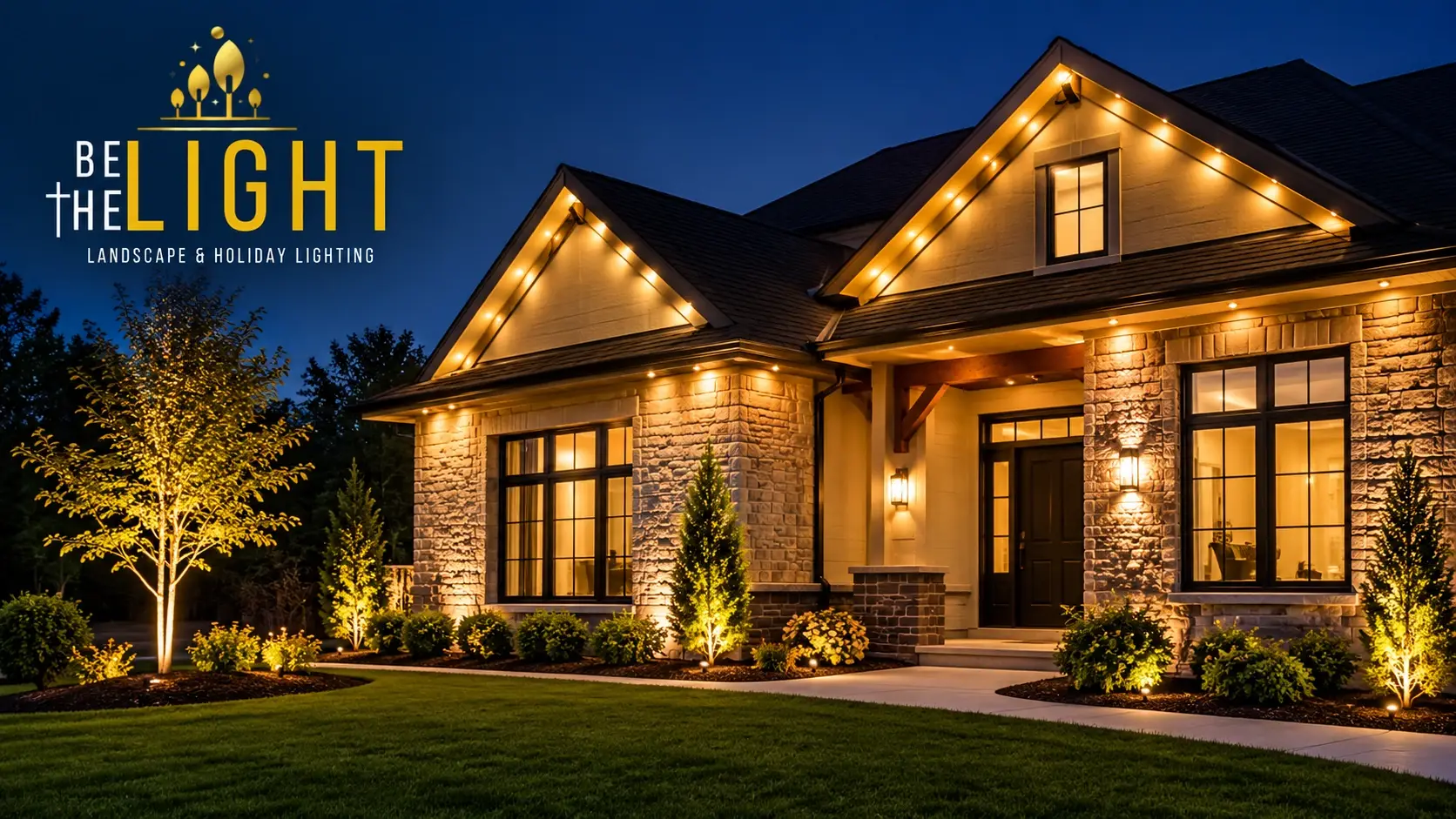
A home’s exterior is the first thing people notice when they arrive. Whether it is a quiet evening at home, a family gathering, or a celebration with friends, the right lighting can make an outdoor space feel more comfortable and inviting. Well-planned lighting does more than brighten dark areas. It highlights architectural details, improves visibility, and creates an atmosphere that makes people feel welcome.
Permanent outdoor lighting installation is an increasingly popular choice among homeowners who want attractive, reliable lighting throughout the year without repeatedly putting up and taking down temporary fixtures. From illuminating rooflines and pathways to highlighting gardens and outdoor entertainment areas, permanent lighting offers a practical way to improve the appearance and usability of a property.
How Permanent Outdoor Lighting Works for Modern Homes
Permanent outdoor lighting refers to lighting systems designed to remain installed on a property throughout the year. Unlike seasonal decorations or temporary lighting arrangements, these systems are professionally positioned along exterior features such as rooflines, eaves, patios, entryways, and landscape areas.
Many modern systems use energy-efficient LED technology and offer customizable colors, brightness levels, and lighting schedules. Some can also be controlled through smartphone applications, allowing homeowners to adjust their outdoor lighting according to different occasions and personal preferences.
The biggest advantage is convenience. Once installed, the system can be used for everyday illumination, holidays, celebrations, and special events without requiring frequent setup.
How Permanent Outdoor Lighting Creates a More Welcoming Home
The right exterior lighting can completely change how a home looks and feels after sunset. Here are several ways it helps create a more inviting environment.
1. Creates a Warm and Inviting First Impression
Your home’s exterior sets expectations before anyone walks through the front door. A dark or poorly illuminated entrance can feel uninviting, while carefully positioned lighting creates a more welcoming appearance.
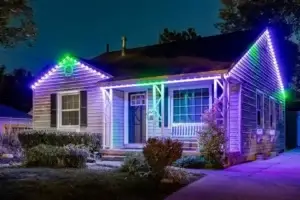
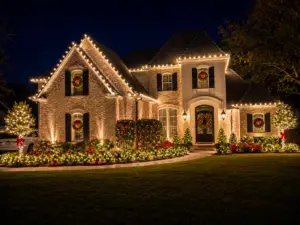
Permanent lighting along rooflines, architectural edges, and entrance areas helps define the structure of your home. Warm white lighting can create a comfortable atmosphere, while adjustable colors provide flexibility for celebrations and seasonal occasions.
A thoughtfully illuminated exterior makes your property feel more welcoming to family members, guests, and visitors.
2. Highlights Architectural Features
Every home has unique architectural details that deserve attention. Rooflines, columns, exterior walls, windows, and decorative elements can become more noticeable with properly positioned lighting.
Permanent outdoor lighting allows homeowners to emphasize these features without overwhelming the overall appearance of the property. Instead of illuminating every surface equally, a professional installer can use different lighting positions to create depth, balance, and visual interest.
This approach gives your home a more polished appearance and helps its architectural character stand out at night.
3. Improves Visibility Around Your Property
Outdoor lighting is not only about appearance. It also plays an important role in making exterior spaces easier to navigate after dark.
Dark walkways, driveways, steps, and entrance areas can make movement difficult, especially for children, older adults, and guests who are unfamiliar with the property.
Strategically placed lighting helps illuminate these areas and makes it easier to identify changes in walking surfaces. Combining roofline lighting with pathway and entrance illumination can create a more practical outdoor environment.
For better results, lighting should be positioned to reduce glare and avoid unnecessarily bright areas.
4. Makes Outdoor Gatherings More Enjoyable
Outdoor spaces often become important gathering areas during warmer months. Patios, decks, gardens, and backyard seating areas provide opportunities to relax and spend time with friends and family.
However, these spaces can become less comfortable when natural light disappears.
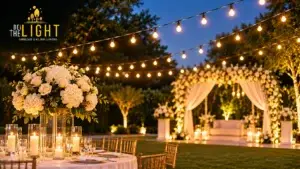
Permanent outdoor lighting helps extend the use of these areas into the evening. Soft illumination around seating areas, garden features, and outdoor dining spaces creates a comfortable atmosphere for conversations, dinners, and celebrations.
With adjustable lighting settings, homeowners can create different moods depending on the occasion.
5. Provides Flexible Lighting for Different Occasions
One of the most appealing features of modern permanent lighting systems is their versatility.
Homeowners can use warm white lighting for everyday evenings, decorative colors for birthday parties, and festive combinations for holidays. Many smart lighting systems also allow users to save preferred settings and schedule automatic changes.
This flexibility means one lighting installation can serve multiple purposes throughout the year.
Rather than purchasing separate decorative lights for every occasion, homeowners can enjoy a lighting system that adapts to different needs.
6. Enhances Your Home’s Evening Curb Appeal
Curb appeal does not disappear when the sun goes down. In fact, exterior lighting can make certain properties look even more attractive during the evening.
A balanced lighting arrangement highlights the home’s shape, improves the appearance of its entrance, and creates a more organized exterior look.
Permanent outdoor lighting also helps maintain a consistent appearance throughout the year. Homeowners do not have to wait for a particular season to make their property stand out.
7. Offers Convenient Long-Term Lighting
Temporary outdoor lighting often requires regular installation, removal, storage, and maintenance. This can become inconvenient for homeowners who enjoy decorating their properties throughout the year.
Permanent systems provide a more convenient alternative. Once properly installed, they remain in place and can be operated whenever needed.
Many LED-based systems are designed for long-term use and consume less electricity than traditional lighting options. Their actual energy savings depend on the system, operating hours, and brightness settings.
Popular Areas for Permanent Outdoor Lighting Installation
Choosing the right locations is essential for creating an attractive and functional lighting design. Different parts of a property serve different purposes, so lighting should be planned accordingly.
Here are some common installation areas:
Rooflines and Eaves: Lighting along roof edges creates a clean outline and highlights the overall shape of your home.
Front Entrances: Illuminated entryways make it easier for residents and visitors to approach the property after dark.
Driveways and Walkways: Proper lighting improves visibility and helps people move around the property more comfortably.
Patios and Decks: Soft lighting makes outdoor seating and entertainment areas more enjoyable in the evening.
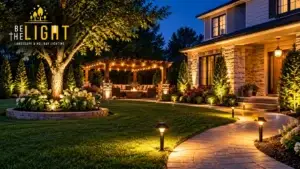
Gardens and Landscaping: Carefully positioned lights highlight trees, plants, garden structures, and decorative features.
Fences and Exterior Walls: Lighting along these areas adds depth and creates a more balanced appearance around the property.
A professional lighting plan considers the size of the property, existing architectural features, electrical requirements, and the homeowner’s preferred style.
Why Professional Installation Makes a Difference
Although outdoor lighting products are widely available, achieving a clean and reliable installation requires proper planning and technical knowledge.
A professional lighting contractor can evaluate your property’s exterior, identify suitable installation locations, and recommend a system that matches your requirements.
If you are searching online for a commercial lighting contractor near me, it is important to understand that commercial and residential lighting projects may involve different requirements. Choose a contractor whose experience and services match the type of property you want to illuminate.
For permanent outdoor lighting, professional installation can help with:
- Selecting suitable lighting fixtures and LED systems.
- Planning the placement of lights for balanced coverage.
- Securing fixtures properly along rooflines and exterior surfaces.
- Managing wiring, connections, and weather protection.
- Setting up smart controls and lighting schedules.
- Testing the system to ensure proper operation.
Working with an experienced installer can also help reduce common problems such as uneven lighting, exposed wiring, poor fixture placement, and unnecessary glare.
What to Consider Before Installing Permanent Outdoor Lighting
Before starting your project, take some time to evaluate your lighting needs. A little preparation can help you avoid unnecessary expenses and achieve better results.
Understand Your Lighting Goals
Decide what you want your lighting system to accomplish. Some homeowners prioritize architectural appearance, while others want better visibility around entrances, pathways, and outdoor entertainment areas. Having clear goals makes it easier to select the right system.
Choose the Right Lighting Color
Lighting color has a significant impact on the atmosphere of your property. Warm white tones generally create a relaxed and welcoming appearance, while cooler white tones offer a cleaner and more contemporary look.
RGB lighting systems provide additional flexibility for decorative and seasonal displays.
Check Weather Resistance
Outdoor fixtures are exposed to rain, moisture, sunlight, dust, and changing temperatures. Choose products with suitable weather-resistance ratings for their intended installation locations. Proper sealing and secure mounting are equally important for long-term performance.
Consider Energy Efficiency
LED lighting is a popular choice because it generally consumes less electricity than traditional lighting technologies. Look for efficient products and consider how many hours your lights will operate each day. Timers, dimming features, and smart schedules can also help manage energy consumption.
Review Installation and Maintenance Requirements
Ask about installation methods, product warranties, maintenance needs, and available support before selecting a lighting contractor. A reliable system should be designed around the property’s structure and the conditions it will experience throughout the year.
How Be The Light Decor Helps Create Beautiful Outdoor Spaces
At Be The Light Decor, creating attractive outdoor environments starts with understanding how homeowners want their properties to look and feel. Permanent outdoor lighting should complement the architecture of a home while providing practical illumination for everyday use and special occasions. A well-designed lighting arrangement can highlight rooflines, improve the appearance of exterior spaces, and create an inviting atmosphere after sunset.
Whether you want a subtle everyday lighting setup or a more decorative arrangement for celebrations, choosing the right design and installation approach makes a meaningful difference. The goal is to create an outdoor lighting solution that looks beautiful, works reliably, and fits naturally with your property.
Final Thoughts
A welcoming home is not defined by its interior alone. The way your property looks and functions after sunset also contributes to the overall experience of living there.
Permanent outdoor lighting installation offers homeowners a convenient way to improve curb appeal, highlight architectural details, enhance visibility, and make outdoor gathering spaces more enjoyable. With the right fixtures, thoughtful placement, and professional installation, your exterior can remain attractive and functional throughout the year.
If you are considering upgrading your home’s exterior, Contact Be The Light Decor can help you explore lighting possibilities that bring your outdoor spaces to life.
Frequently Asked Questions
1. What is permanent outdoor lighting installation?
Permanent outdoor lighting installation involves fitting lighting fixtures to a property’s exterior so they remain in place throughout the year. These systems are commonly installed along rooflines, eaves, patios, entrances, and other outdoor areas.
2. Is permanent outdoor lighting worth installing?
For many homeowners, permanent outdoor lighting is a worthwhile investment because it improves exterior appearance, provides convenient illumination, and reduces the need for repeated seasonal light installations.
3. How long does permanent outdoor lighting last?
The lifespan depends on the quality of the fixtures, LED components, installation methods, and environmental conditions. Many quality LED systems are designed to operate for tens of thousands of hours, although individual components may require maintenance or replacement.
4. Does permanent outdoor lighting use a lot of electricity?
Most modern permanent outdoor lighting systems use LED technology, which is generally energy-efficient. Electricity consumption depends on the number of fixtures, their brightness, and how long they remain switched on.
5. Can permanent outdoor lighting be customized for holidays?
Yes. Many modern systems offer adjustable colors, lighting patterns, brightness levels, and programmable schedules. These features make it possible to create different displays for holidays, birthdays, and other celebrations.
6. Can permanent outdoor lighting improve home security?
Outdoor lighting can improve visibility around entrances, walkways, driveways, and other exterior areas. Better visibility may also discourage unwanted activity, particularly when combined with motion sensors and other security measures.
7. How do I choose the right outdoor lighting contractor?
Look for a contractor with relevant installation experience, quality lighting products, clear project estimates, suitable warranties, and knowledge of outdoor electrical and weatherproofing requirements. Reviewing previous projects can also help you evaluate the quality of their work.
8. What is the difference between permanent and temporary outdoor lighting?
Permanent outdoor lighting stays installed throughout the year and is designed for repeated use. Temporary lighting is usually installed for a specific event or season and must often be removed and stored afterward.