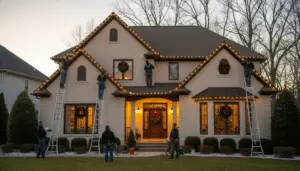
When the holiday season winds down and tangled strings of bulbs resurface from storage, many homeowners wonder can you recycle Christmas lights rather than sending them to a landfill. It’s a fair question, especially as more families aim to celebrate joyfully while also caring for the environment. And for those who prefer a hands-off holiday setup, professional services such as holiday light installation in Baton Rouge can help reduce waste by ensuring lights stay in great condition year after year.
Below is a helpful roadmap to understanding what’s recyclable, what isn’t, and how to responsibly handle old strands you no longer plan to use.
A Look at What’s Ahead
- Why Christmas lights can’t go in regular curbside bins
- Where and how to recycle Christmas lights locally
- Practical reuse ideas when recycling isn’t available
- How professional installation supports sustainability
- What to know before tossing old lighting products
Why Many People Ask About Recycling Lighting
As more homes switch to LEDs and smart lighting options, drawers and storage bins continue to fill with older strands. The question can you recycle Christmas lights tends to come up because the materials seem recyclable at first glance. Copper wiring, small amounts of metal, plastic coatings, and tiny bulbs, feel similar to other household items that can be broken down and repurposed.
The twist is that curbside programs rarely accept them. The wiring tangles inside sorting machinery, and the mixed materials require specialized recycling partners. That’s where local drop-off centers and mail-in programs come into play. These facilities safely separate the copper and plastic so it can be reused, preventing unnecessary landfill buildup.
Places That Accept Old Lighting
Depending on where you live, options vary, but most people can access at least one of the following:
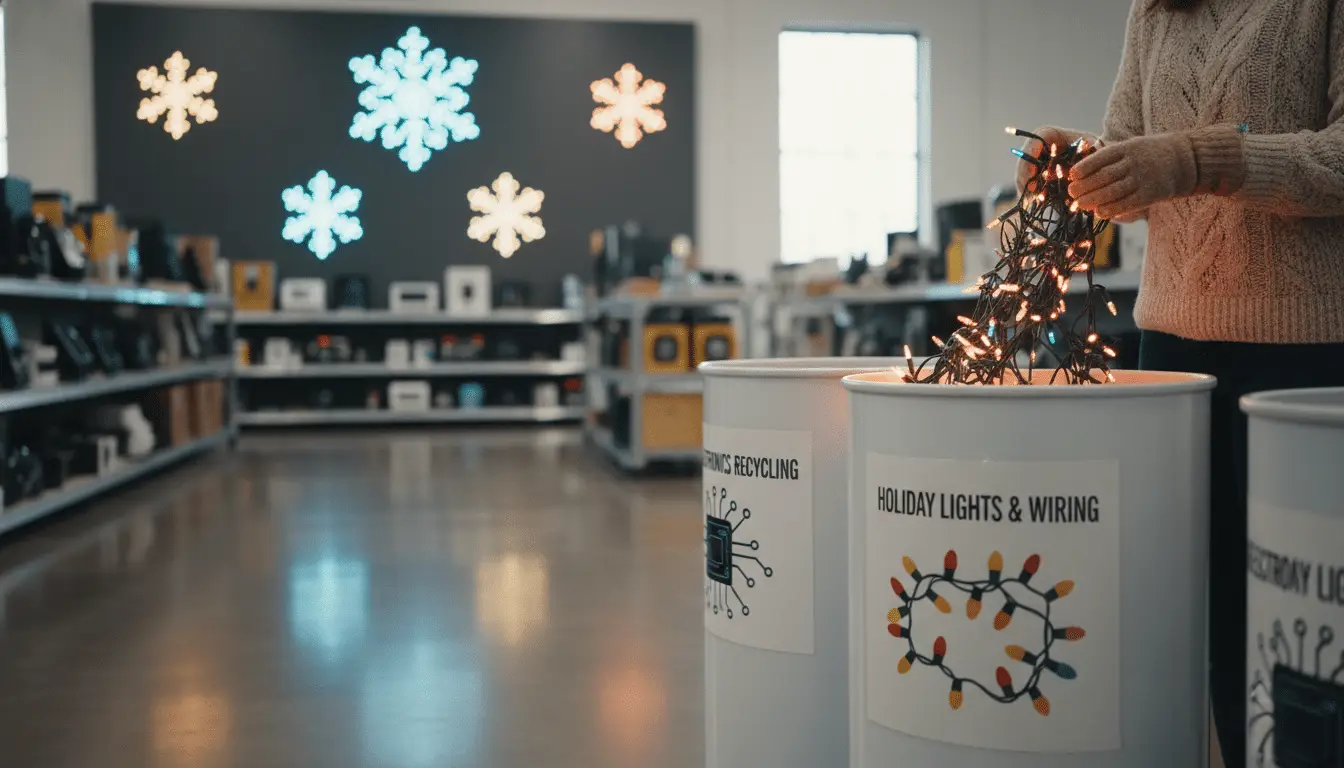
Hardware and home improvement stores
Large retailers occasionally run seasonal recycling events for string lights. These programs are convenient because you can drop off old strands while shopping for new décor or household items.
Community recycling centers
Many municipal facilities accept string lights year-round, especially if they partner with electronics recycling companies. Contact the center ahead of time to verify the rules because some locations only accept holiday lights during certain months.
Mail-in recycling programs
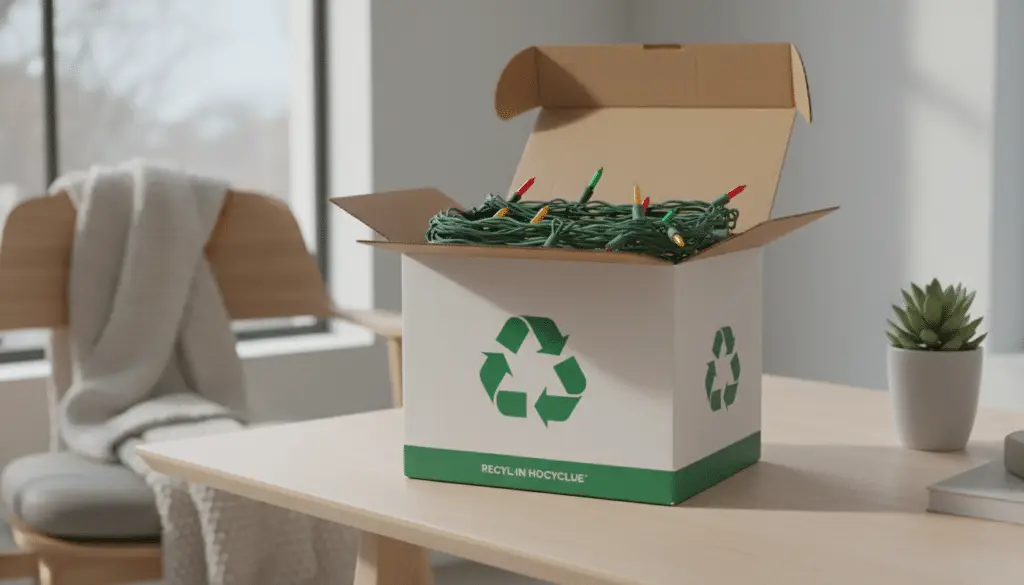
Even if you live in an area without drop-off services, several national programs allow you to ship in your lighting. These companies process the wiring and components efficiently and often turn the reclaimed materials into new products.
Whichever method you choose, recycling is a responsible way to handle old Christmas lights, especially when upgrading to energy-saving LEDs.
Heading Into the Recycling Process
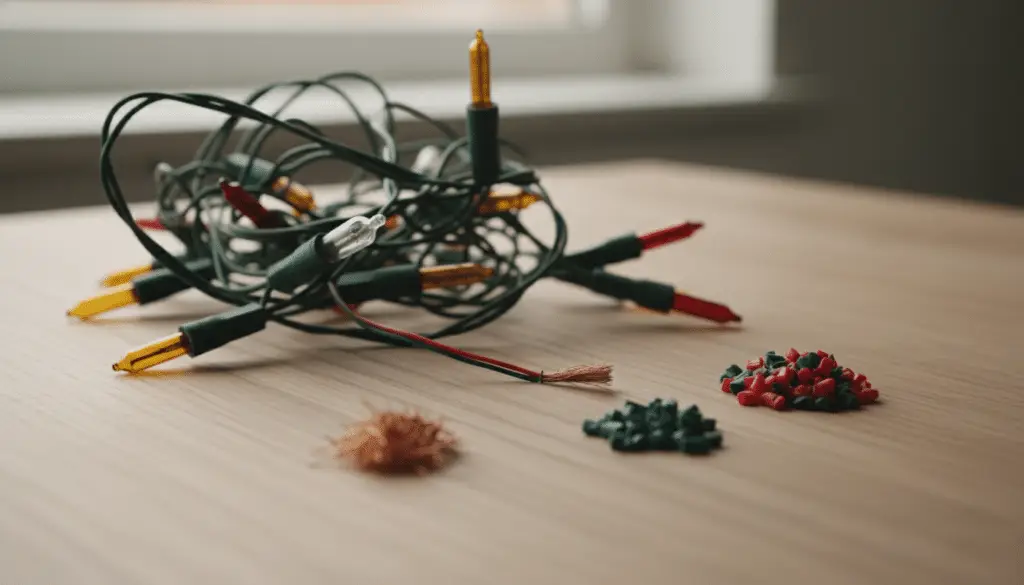
Beyond knowing where to recycle, it helps to understand what happens once your lights reach a facility. Recyclers begin by shredding the strings into small pieces. These pieces are then sorted into copper, plastic, and glass components. Because copper holds strong value, this step helps offset the cost of the recycling program. Plastic and other remnants are then repurposed into new consumer goods.
For homeowners, the biggest takeaway is that tossing lights into the trash isn’t the only option. With just a small amount of effort, the materials can be given a second life.
When Recycling Isn’t Available
Some rural or smaller communities do not offer specialty recycling options. In those cases, repurposing is a meaningful alternative. Try turning unused strands into:
- Garden markers or vine guides for outdoor plants
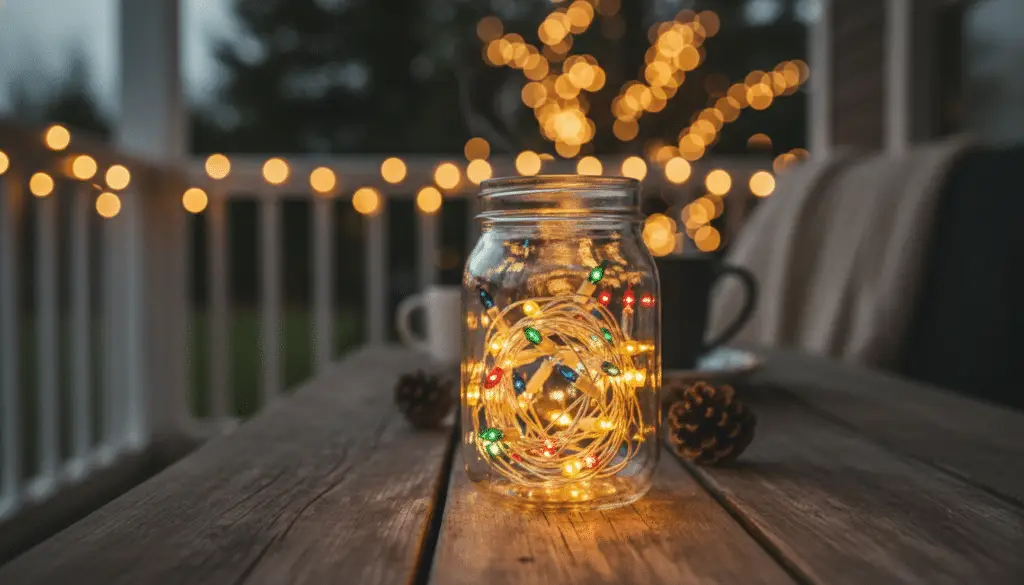
- Lighted mason jar décor for porches
- Wrapped accents for wreaths or lanterns
- Glow elements for backyard gathering spaces
These low-waste uses extend the life of older strands and keep them out of the landfill a bit longer. Just make sure any damaged wiring is fully removed to avoid electrical hazards.
How Professional Installers Help Reduce Waste
Homeowners sometimes find themselves replacing lights more often than expected due to improper storage or installation mistakes. Tangled wires, broken bulbs, and moisture damage can all shorten a light’s lifespan. Companies that specialize in custom-designed holiday lighting help prevent those issues entirely.
In areas such as Louisiana, services like holiday light installation in Baton Rouge give homeowners a stress-free way to decorate while also reducing waste. Installers use commercial-grade products, handle all maintenance, and remove the lights after the season. Because everything is stored properly and inspected each year, far fewer strands end up in the recycling or trash stream.
This model also avoids the common question of whether customers own the lights. Many installers rent the lights to maintain quality and reliability season after season, which further increases sustainability.
Choosing LEDs for Long-Term Impact
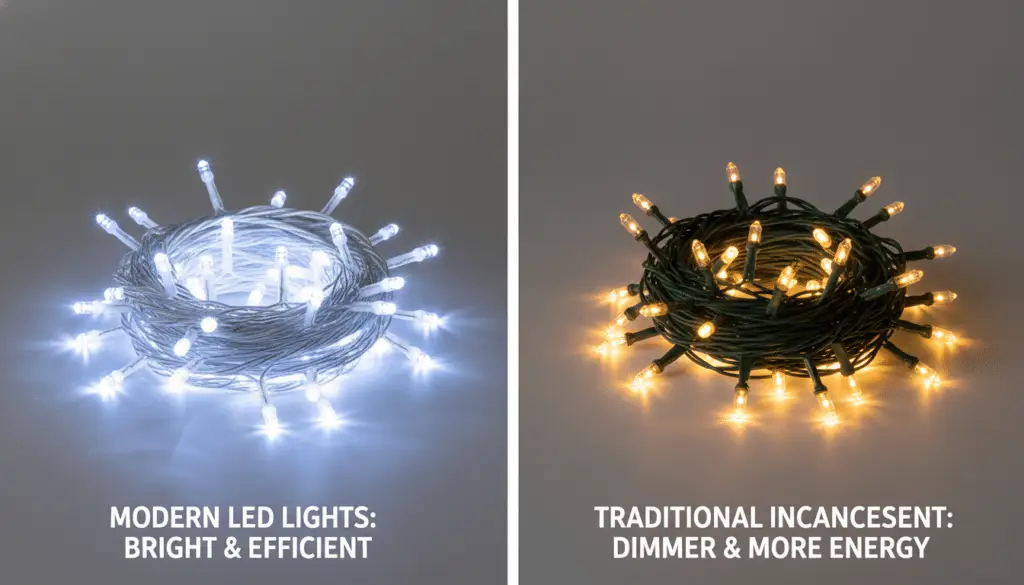
Recycling is important, but reducing waste at the source matters even more. LED strands tend to last far longer than older incandescent options. They use less energy, remain cooler to the touch, and experience fewer bulb failures.
If you’re already preparing to recycle your older lights, consider upgrading to LEDs next. While quality varies by brand, many professional installers rely on commercial-grade LEDs because they hold up beautifully through repeated use. That long lifespan means fewer replacements and far less waste over time.
Upgrading also gives you the opportunity to choose lights that fit your long-term decorating style. LEDs come in warm white, classic multicolor, and specialty hues, allowing you to create a consistent look year after year without frequent replacement. Because the technology is designed for durability, homeowners spend far less time troubleshooting broken bulbs and more time enjoying a display that performs reliably throughout the entire season.
A Balanced Look at Environmental Impact
Christmas lights contain small amounts of valuable metals but also non-recyclable components. Sending them to the right facilities reduces landfill strain, conserves natural resources, and lowers overall environmental impact. Even a single household making this choice helps create a ripple effect.
Still, recycling is only part of the equation. Storing your lights safely at the end of each season and choosing higher-quality products when purchasing new ones can dramatically extend their life. Coil strands loosely, avoid tight knots, and store them in dry containers. This prevents damage and makes next year’s decorating much easier.
Taking a mindful approach to holiday décor also encourages communities to think collectively about sustainability. When more households choose responsible recycling methods and adopt longer-lasting products, the demand for single-season items naturally decreases. Over time, these small decisions help reduce manufacturing waste, lower energy consumption, and support a cleaner environment for future celebrations.
Heading Deeper Into the Question: Can You Recycle Christmas Lights?
While the simple answer is yes, the actual process requires a bit more intention. Regular household bins cannot process them, and not every city offers convenient options. But specialty centers, mail-in programs, and seasonal retail events provide practical pathways that most families can use. The key is recognizing that these items fall somewhere between décor and electronics, and they require a disposal method that reflects that.
As you explore these options, it helps to think of light recycling as part of a larger shift toward mindful holiday habits. Many families are surprised to learn how quickly discarded décor accumulates in landfills each winter, so choosing a responsible disposal route makes a meaningful difference. By treating old lights the same way you might handle outdated electronics, you ensure the materials are handled safely and have the chance to be repurposed rather than wasted.
Helpful Tips Before You Drop Off Your Lights
A quick check before recycling can make the process smoother and help you spot any strands that might still be repairable.
Before recycling, take a moment to check your strands:
- Remove any tape, hooks, or add-ons
- Coil the strand neatly to prevent tangling at the recycling facility
- Keep similar types together if you’re recycling multiple strands
- Test the lights one more time in case only a single bulb or fuse needs replacing
These small steps help ensure your lights are ready for proper recycling, and you may even find that a simple fix gives a strand a bit more life before it’s retired.
If You’re Upgrading, What About Pricing?
Many homeowners ask about the cost of new LED displays. Prices vary widely because every property is different. Factors such as roofline length, height, trees, additional décor pieces, and design complexity all influence the final number. The best way to understand cost is to request a custom quote for your property, so the lighting design matches both your style and your budget.
Because every lighting project is unique, installers typically evaluate the layout of your home, the types of lights you prefer, and any add-on features you want before providing an estimate. Rooflines and gutters are often the starting point, but elements like wreaths, tree lighting, or specialty color options can add to the overall design. This personalized process ensures you receive a display that feels intentional rather than one-size-fits-all.
It also helps to remember that professional holiday lighting is more than the installation itself. Storage, maintenance throughout the season, safe removal, and the use of high-quality commercial lighting all play a role in shaping the final price. Instead of guessing what your home might require, reaching out for a custom quote allows you to compare ideas, explore different design possibilities, and choose an option that brings the most joy to your holiday season.
Lighting as Part of a Bigger Holiday Tradition
Recycling holiday décor may seem like a small task, but it reflects how families are choosing to celebrate with care and intention. Whether you decorate modestly or transform your entire home into a glowing display, handling your lights responsibly helps keep the season bright for everyone.
As professional installers throughout Louisiana continue to support families with design, installation, maintenance, and safe removal, more lights stay in good condition year after year. That means less clutter, fewer replacements, and fewer strands needing recycling in the first place.
As these habits become part of yearly traditions, families often find themselves viewing their holiday décor in a more meaningful way. Lighting becomes less about quick seasonal decoration and more about creating moments that feel warm, memorable, and responsible. By caring for the lights you use and thoughtfully recycling or upgrading when needed, you contribute to a holiday season that shines a little brighter for your home and your community.
A Brighter Way to Wrap Up the Season
If you’ve ever wondered can you recycle Christmas lights, the answer is yes, with the right drop-off points or mail-in programs. Recycling helps reduce waste, protects valuable materials, and gives worn-out lights a meaningful second life. Whether you repurpose, repair, or recycle, every thoughtful choice contributes to a more sustainable holiday season. Taking a few extra minutes to handle old strands responsibly also builds awareness for future decorating decisions, encouraging families to approach the holidays with both joy and stewardship. By making sustainability part of your end-of-season routine, you carry the spirit of the season forward in a way that benefits your home, your community, and the environment long after the lights have been packed away.