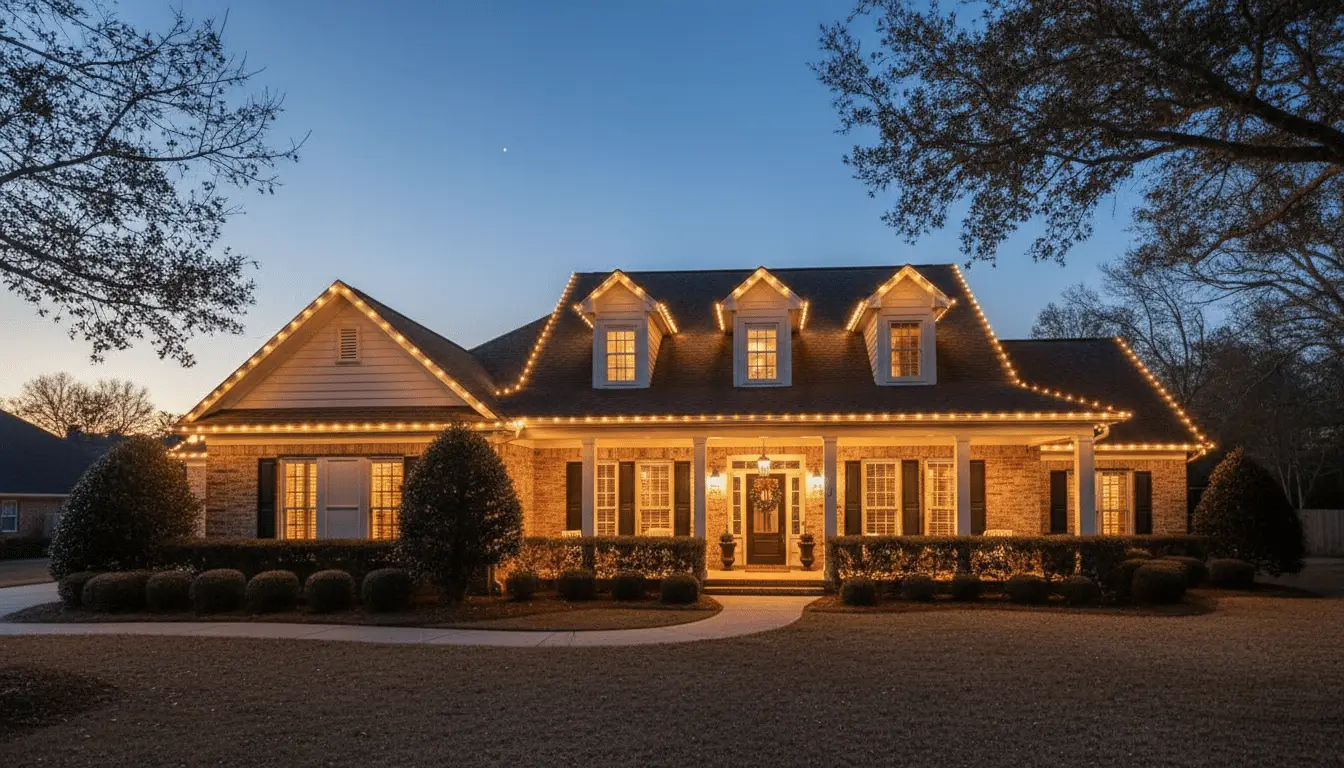
When the holiday season approaches, many homeowners begin asking the same practical question: do Christmas lights use a lot of electricity? It is a fair concern. Decorating your home should bring joy, not stress about rising utility bills. Whether you are outlining your roofline, wrapping trees, or adding wreaths to your porch, understanding how holiday lighting affects energy use can help you make confident, informed decisions.
What You Will Learn in This Guide
- How Much Power Do Christmas Lights Actually Use?
- Do Christmas lights use a lot of Electricity Compared to Everyday Appliances?
- Understanding the Difference Between LED and Traditional Bulbs
- What Impacts Holiday Lighting Energy Use?
- Smart Ways to Reduce Holiday Energy Use
- Solar Panels and LED Christmas Lights
- How to Calculate Christmas Light Energy Consumption
- Understanding Utility Costs in Covington, Louisiana, and Surrounding Areas
- Designing an Efficient Holiday Display
- Common Misconceptions About Holiday Lighting and Power Use
- Making an Informed Decision for Your Home
- Bringing It All Together
How Much Power Do Christmas Lights Actually Use?
To understand whether holiday lighting significantly affects your utility bill, you first need to understand wattage and usage time.
Christmas lights consume power based on three primary factors:
- The type of bulbs you use
- The number of strands installed
- How many hours per day are they turned on
Traditional string lights using older bulb technology require considerably more power than modern LED alternatives. A single strand of traditional bulbs may use several times more wattage than an equivalent LED strand. When multiplied across rooflines, trees, shrubs, and architectural features, that difference can add up.
However, even larger displays often use less power than many homeowners expect. In fact, when you compare the total energy use of holiday lighting to major appliances such as HVAC systems, ovens, or water heaters, Christmas lights typically represent a relatively small portion of overall household energy use.
Do Christmas lights use a lot of Electricity Compared to Everyday Appliances?
This is where perspective matters. The phrase do christmas lights use a lot of electricity sounds alarming, but context helps.
For example, central air conditioning systems in Louisiana often run for extended periods, especially during warmer winters. These systems consume far more power than a typical LED holiday display. Refrigerators, clothes dryers, electric ranges, and water heaters also draw substantial wattage.
By comparison, a thoughtfully designed LED lighting display is generally modest in its energy footprint. Even larger installations can remain surprisingly efficient when modern lighting technology is used.
That said, older systems using incandescent bulbs may consume noticeably more power. While still manageable, they are less efficient and produce more heat, which is why many homeowners have transitioned to LED options.
Understanding the Difference Between LED and Traditional Bulbs
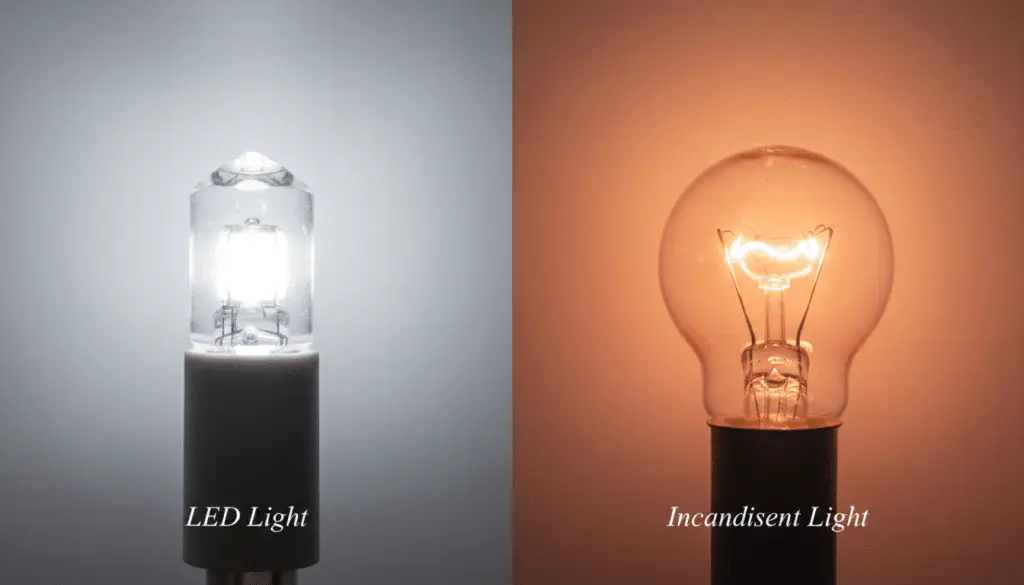
One of the most common follow-up questions is: do Christmas LED lights use a lot of electricity?
The short answer is no. LED lights are dramatically more energy efficient than traditional bulb styles.
Traditional Bulbs
Older strands typically use incandescent technology. These bulbs generate light by heating a filament inside the bulb. That heating process requires more energy and produces excess warmth. As a result, traditional strands use significantly more wattage per bulb.
Because of this, large displays built entirely with older bulb technology can increase overall holiday energy consumption more noticeably.
LED Lights
LED stands for light-emitting diode. Instead of using heat to create illumination, LED bulbs use semiconductor technology that converts energy directly into light. This process is far more efficient.
Benefits of LED Christmas lights include:
- Lower energy consumption
- Reduced heat output
- Longer lifespan
- Greater durability
- Brighter illumination per watt
When homeowners ask whether upgrading is worthwhile, energy efficiency is often the deciding factor. In most cases, LED strands use a fraction of the power required by older alternatives while delivering vibrant, consistent color.
What Impacts Holiday Lighting Energy Use?
Even with efficient bulbs, several factors influence total consumption.
1. Length of Installation
The more linear feet of lighting you install along your roofline, gutters, fencing, and landscaping, the more energy your display will require. Larger homes naturally use more strands.
2. Daily Operating Hours
Lights that run from early evening until midnight will consume less energy than lights left on until morning. Timers can make a meaningful difference.
3. Lighting Style and Density
Some designs feature tightly spaced bulbs for a fuller appearance. Others use wider spacing. Higher density means more bulbs per foot, which slightly increases usage.
4. Add-On Features
Tree wraps, wreath lighting, pathway lighting, and RGB color systems may add to total wattage. While each addition is generally efficient with LED systems, it still contributes incrementally.
Smart Ways to Reduce Holiday Energy Use
If you are wondering again, do christmas lights use a lot of electricity, the answer depends largely on how they are installed and managed. Here are practical ways to maximize efficiency.
Use LED Technology
Switching to LED lights is the single most impactful step. Energy savings are significant, especially in larger displays.
Install Timers
Automatic timers ensure your lights turn on and off at consistent times. Many homeowners choose to run lights during peak evening hours only.
Limit Overnight Operation
Unless you prefer an all-night glow, turning lights off before bedtime can noticeably reduce total energy use over the season.
Design with Intention
Strategic placement along architectural features such as rooflines, peaks, and entryways can create a stunning visual effect without excessive density.
Maintain Your System
Damaged strands or loose connections can reduce efficiency. Professional installation services typically include maintenance throughout the season to ensure optimal performance.
Solar Panels and LED Christmas Lights
For homeowners interested in sustainability, combining solar energy with LED holiday lighting is an attractive option.
How Solar Powered Christmas Lights Work
Solar-powered strands include a small photovoltaic panel that collects sunlight during the day. That stored energy powers the lights at night. Because LED bulbs require very little power, they pair naturally with solar systems.
Benefits of Solar Holiday Lighting
- Reduced dependence on grid power
- No additional household wiring required
- Automatic dusk-to-dawn activation
- Environmentally conscious solution
Limitations to Consider
Solar panels depend on daily sunlight exposure. In regions with overcast winter days or shaded yards, performance may vary. Battery capacity also limits how long lights can remain illuminated overnight.
For homeowners with rooftop solar panel systems, the energy generated during the day can offset holiday lighting usage at night. This means your seasonal display may draw from energy you have already produced.
How to Calculate Christmas Light Energy Consumption
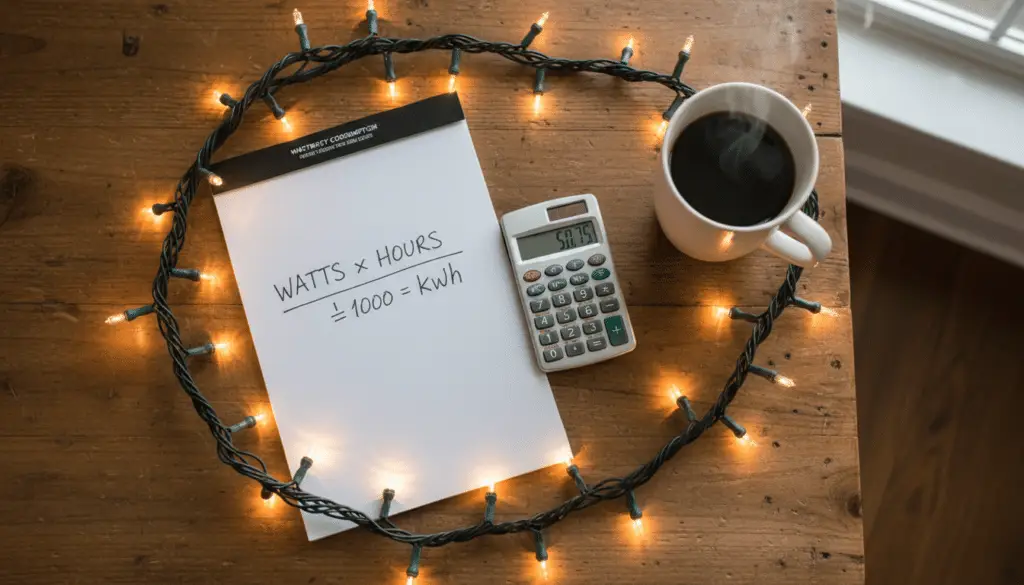
If you want a clear answer to the question do christmas lights use a lot of electricity, you can calculate it yourself with a simple formula.
Step 1: Identify Wattage Per Strand
Check the packaging or manufacturer specifications for the wattage rating of your light strands.
Step 2: Count the Number of Strands
Multiply the wattage by the total number of strands installed.
Step 3: Multiply by Hours Used Per Day
If your lights run for six hours nightly, multiply the total wattage by six.
Step 4: Multiply by Days in Use
If lights are displayed for forty-five days, multiply again.
Step 5: Convert to Kilowatt Hours
Divide total watt hours by one thousand to get kilowatt hours, which is how utility companies measure usage.
This formula allows you to estimate seasonal consumption accurately. In many cases, homeowners are surprised to find the total is lower than expected, especially with LED systems.
Understanding Utility Costs in Covington, Louisiana, and Surrounding Areas
Homeowners in Covington and nearby communities such as Mandeville, Slidell, Hammond, and Baton Rouge are served by regional utility providers whose rates can vary based on fuel costs, regulatory adjustments, and seasonal demand.
Families throughout Southeast Louisiana, including those comparing options forholiday light installation in Metairie, often want clarity on how seasonal lighting fits into their broader household energy use. Instead of focusing solely on holiday décor, it helps to look at the bigger picture of how electricity is consumed in a typical Louisiana home during the winter months.
Rather than focusing on specific numbers, it is more helpful to understand what influences your overall utility bill:
- Fuel costs used for power generation
- Infrastructure and maintenance expenses
- Seasonal demand fluctuations
- Storm recovery adjustments
- Regulatory policies
During colder months, electricity usage may decrease if air conditioning systems are used less frequently. However, heating systems, especially electric heat pumps or resistance heating, can offset those reductions.
Holiday lighting typically represents a relatively small seasonal increase compared to heating and cooling demands. If you are concerned about your specific home, reviewing your previous winter utility statements can provide helpful insight into average usage patterns.
Because every property is different, those considering a professionally designed lighting display should request a custom quote tailored to their home’s layout and lighting goals.
Designing an Efficient Holiday Display
Energy efficiency does not mean sacrificing beauty. In fact, thoughtful design often creates more impact than simply adding more strands.
Highlight Architectural Features
Accentuating rooflines, dormers, entryways, and windows creates definition without overwhelming the home.
Choose a Cohesive Style
Options such as classic multicolor roofline, warm white elegance, festive multicolor charm, or luxury amber estate can deliver striking visual appeal while maintaining efficient use of lighting.
Use Tree Mini Lights Strategically
Wrapping trunks and major branches creates depth without excessive wattage.
Incorporate Modern RGB Options Carefully
RGB systems allow color changes and animation effects. While still efficient with LED technology, balanced placement prevents unnecessary overuse.
Common Misconceptions About Holiday Lighting and Power Use
When homeowners start researching seasonal energy usage, a few common myths tend to surface. These misunderstandings can make holiday decorating feel more intimidating than it needs to be. Let’s take a closer look at what is true and what is often overstated.
Myth 1: Any Large Display Will Double My Utility Bill
This is one of the most common fears. A fully outlined roofline, wrapped trees, and illuminated wreaths can look impressive, so it is easy to assume the power usage must be equally dramatic.
In reality, modern LED displays are far more efficient than many assume. While there is some increase in seasonal consumption, it is rarely dramatic when compared to major household systems such as heating, air conditioning, water heaters, or kitchen appliances. Even larger displays that use commercial-grade LED strands often consume less electricity than a single space heater running for several hours.
Myth 2: Brighter Means Higher Energy Use
Many people assume that if lights appear brighter, they must be consuming more power. This was generally true with older bulb technology, where brightness and wattage were closely connected.
However, LED technology produces intense brightness with minimal wattage. Because LEDs convert a higher percentage of electricity directly into light rather than heat, they are able to shine more vividly while using less energy. A vibrant display does not automatically mean high energy consumption.
Myth 3: Solar Lighting Eliminates All Costs
Solar-powered holiday lighting is often viewed as completely free once installed. While solar systems do reduce reliance on grid electricity, they are not entirely without considerations.
Solar strands rely on daily sunlight to charge internal batteries. In areas with frequent cloudy days or shaded yards, performance may vary. Battery capacity also determines how long the lights can remain illuminated after sunset. Over time, rechargeable batteries may need replacement to maintain optimal performance.
Making an Informed Decision for Your Home
If you are still asking, do Christmas lights use a lot of electricity, the most honest answer is that it depends on your lighting type, display size, and daily usage habits. For most homeowners using LED systems with timers, the seasonal impact is manageable and often modest.
Homeowners throughout St. Tammany Parish, including those exploringchristmas light installation in Slidell, often find that understanding energy consumption brings clarity and confidence to their decision. When you know how wattage, timing, and design affect electricity usage, you can move forward with a plan that fits both your vision and your household budget.
Those who want a beautifully designed display without the stress of planning, installation, and maintenance often choose professional services. Because pricing depends on home size, lighting style, and custom design elements, requesting a personalized quote is always the best way to understand the full scope of your project.
Bringing It All Together
Holiday lighting adds warmth and celebration to homes across Covington, Mandeville, Slidell, Baton Rouge, Hammond, and surrounding Louisiana communities. With modern LED technology, smart timers, and thoughtful design, energy consumption can remain surprisingly reasonable.
So, do christmas lights use a lot of electricity? In most cases, especially with LED systems and planning, they use far less than many homeowners fear. By understanding wattage, calculating usage, and designing with efficiency in mind, you can enjoy a brilliant holiday display with confidence and peace of mind.