How to fix Christmas lights is one of the most common questions homeowners face once the decorating begins. One moment your home is glowing with seasonal charm, and the next, a strand goes dark or starts flickering, threatening to dim the whole display.
This guide breaks down the troubleshooting process into clear, practical steps from identifying faulty bulbs to checking fuses and power sources so you can get your lights shining again without unnecessary stress. You’ll also learn when a DIY fix makes sense and when it’s safer and more efficient to bring in a professional.
A Roadmap to Troubleshooting Holiday Lights
- Patterns Behind Why Lights Fail
- Safety First: Precautions Before Fixing Anything
- Testing Outlets, Cords, and Power Flow
- When Entire Strands Go Dark
- Zeroing In on Partially Dark Sections
- The Role of Christmas Light Fuses
- Fixing Bulb‑Related Problems
- Working With Modern LED Strands
- Tips for Christmas Tree Lights
- Mistakes That Make Problems Worse
- When Professional Help Is Worth It
Why Holiday Lights Stop Working
Holiday lighting gets more punishment in a short span than many other household items. Lights are stored in boxes and bins for much of the year, then dragged outdoors, looped around trees, stretched along rooflines, and left running for hours. These conditions especially temperature changes and moisture can cause even reliable strands to develop issues.
Common failure points include loose bulbs, breaks in wiring, corrosion in sockets, damaged plugs, and blown fuses. Recognizing the pattern of the failure often tells you exactly where to begin troubleshooting.
How to Fix Christmas Lights: Troubleshooting
Before you begin inspecting or touching anything, unplug the lights from power. Even strands designed for outdoor use carry a risk of shock when moisture is present or insulation has worn thin. Dry hands and dry ground are essential, and if you’re on a ladder, make sure it’s stable and secure.
If you’re not confident working with electricity, especially outdoors or at heights, calling for help is a smart safety choice. That’s one scenario where seasoned professionals can save you more than just time.
Start With the Power Source: Outlets and Cords
If a strand doesn’t light up at all, the issue is often not the lights themselves. Begin by checking the power source:
- Try a different device in the same outlet to see if it’s supplying electricity.
- Check reset buttons on outdoor outlets that might have tripped.
- Inspect extension cords for breaks, kinks, or warmth all signs they’re not delivering proper power.
Power issues can also come from overloaded circuits, so if multiple plugs are connected in one area, unplug other items and test the lights again.
When Entire Strands Go Dark
An entire strand being dark could mean no power is reaching it, or there’s a break in the wiring itself. Start at the plug and work your way toward the rest of the strand.
Check the plug end: bent prongs, corrosion, or loose wires where the cord enters the plug can interrupt the circuit. Sometimes, the issue is a simple loose internal connection that needs tightening. Other times the plug or cord is too damaged, and the strand must be replaced.
Finding Partial Outages: Dark Sections or Single Halves
When part of a strand works and part doesn’t, the issue is often a single failed bulb or a loose connection. Many traditional strands are wired in series this means each bulb affects the flow of power to the next one. A single bad bulb can shut down the lights after it.
Start at the transition from lit to unlit bulbs. Press each bulb gently into its socket to ensure it’s fully seated. Loose bulbs are one of the easiest fixes and often restore power instantly.
Continue this process bulb by bulb until you find the one that restores power on both sides.
What You Need to Know About Christmas Light Fuses
Inside the plug of most light strands are tiny safety devices called Christmas light fuses. These are designed to blow (break the circuit) if there’s a surge in power or a short in the system. It’s a protective feature, but it can also leave an entire strand dark.
To check fuses:
- Unplug the lights.
- Open the small fuse compartment on the plug.
- Look for signs of a break in the metal strip inside or blackened glass.
If the fuse is blown, replace it with one that matches the original rating exactly. Replacement fuses usually come with the light set or are available through the manufacturer.
Remember that if a fuse blows repeatedly after replacement, you likely have a deeper wiring issue that needs more than just changing fuses.
Bulb Troubleshooting That Works
Burnt‑out bulbs are obvious when the bulb’s interior wire is broken or discolored. But even bulbs that look intact can fail to conduct power if the contacts are dirty or misaligned.
If you have a bulb tester, use it. Otherwise, replace bulbs one at a time in the dark section, starting at the closest end. A new bulb often restores the circuit. When you’re replacing bulbs, match the correct type, as swapping incandescent bulbs with a mismatched wattage can lead to additional issues or uneven lighting.
One bulb out of place, even if it’s not technically burned out, can affect the entire section down the line. When these problems keep resurfacing or impact larger displays, many homeowners choose solutions like holiday light installation in Baton Rouge to avoid repeated troubleshooting and ensure consistent, reliable lighting throughout the season.
Working With Modern LED Lights
Many homes are upgrading from traditional strands to LED lights because they use less energy and last longer. While LEDs have many advantages, they also behave differently when they fail.
LED strands often have complex electronics inside. A single failed diode can sometimes darken a whole section. Unlike older incandescent bulbs, you might not be able to diagnose LED issues by simple sight alone.
Here’s what to keep in mind:
- Look for loose bulbs first even LED bulbs can lose contact in their sockets.
- Check for visible wiring damage.
- If a section fails and resetting bulbs doesn’t work, you might need to replace the whole strand rather than individual bulbs.
Because LEDs are less likely to burn out, most LED failures involve wiring or internal circuitry, which is harder to repair at home.
Tips for Handling Christmas Tree Lights
Lights on your tree whether real or artificial come with their own quirks. Christmas tree lights often get tangled, twisted, and compressed into storage bags, making them more prone to issues.
Here’s a practical approach:
- Before placing lights on the tree, lay the strand flat and plug it in.
- Repair any dark sections while the strand is straight.
- Carefully wrap lights around branches, avoiding tight bends that stress the wires.
If lights go dark after installation, gently inspect where they meet tree branches. Branch tension can pull bulbs loose or pinch the cord.
Taking your time with tree lights can save hours of frustration later.
Common Mistakes That Make Repairs Harder
Even with the best intentions, homeowners sometimes do things that make problems worse:
Forcing Bulbs Into Place
Forcing a bulb too hard can bend the contacts inside the socket, making it harder to get a good electrical connection later.
Skipping the Fuse Check
Ignoring the fuse in the plug can make you chase phantom wiring problems when the real issue is a simple protective device that needs replacement.
Mixing Old and New Strands
Combining older incandescent strands with newer LED strings can cause mismatches in current that lead to unexpected failures.
Waiting Too Long to Inspect
If a strand begins to flicker, don’t ignore it. Early flickering often indicates a loose connection that will eventually fail completely.
Understanding what not to do keeps you from creating more work for yourself.
When It’s Time to Seek Professional Help
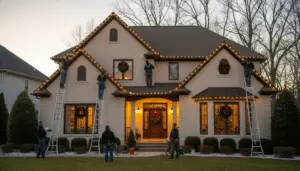
Knowing how to fix Christmas lights is empowering, but there’s a point where troubleshooting becomes time‑consuming, unsafe, or simply inefficient, especially when lights are installed along rooflines or incorporated into more complex designs. Working at heights, handling electrical components, and repeatedly testing strands can quickly turn into more hassle than it’s worth.
Professionals bring experience, proper tools, and established safety practices that reduce risk and save valuable time. A well planned installation not only looks cleaner and more cohesive, but it also helps prevent the recurring outages that can happen with DIY setups that rely on aging or mismatched strands.
If you’re looking for dependable performance without the guesswork, services like Christmas light installation in Slidell allow homeowners to enjoy their holiday display without climbing ladders or untangling lights year after year. Professional installers also take into account factors such as home architecture, tree placement, and power access, details that can be difficult for homeowners to evaluate accurately on their own.
Bright Displays Start With Smart Preparation
How to fix Christmas lights often comes down to recognizing a few familiar issues and addressing them with a calm, step‑by‑step approach. Blown fuses, loose bulbs, and aging strands are common culprits, and knowing how to identify them makes troubleshooting far less overwhelming.
That said, some situations are better handled by professionals who work with holiday lighting year after year, especially when battery‑powered LED components, roofline installations, or large outdoor displays are involved. These setups can introduce safety concerns and technical challenges that go beyond basic repairs.
When you understand what to look for and how to respond, your display stays brighter, more reliable, and enjoyable throughout the entire season.